
Is Uninsured Motorist Coverage Required by State?
Is uninsured motorist coverage required by state? Rules vary widely. See which states mandate UM coverage and how to avoid surprise bills after a crash.

By Maribel Quinn
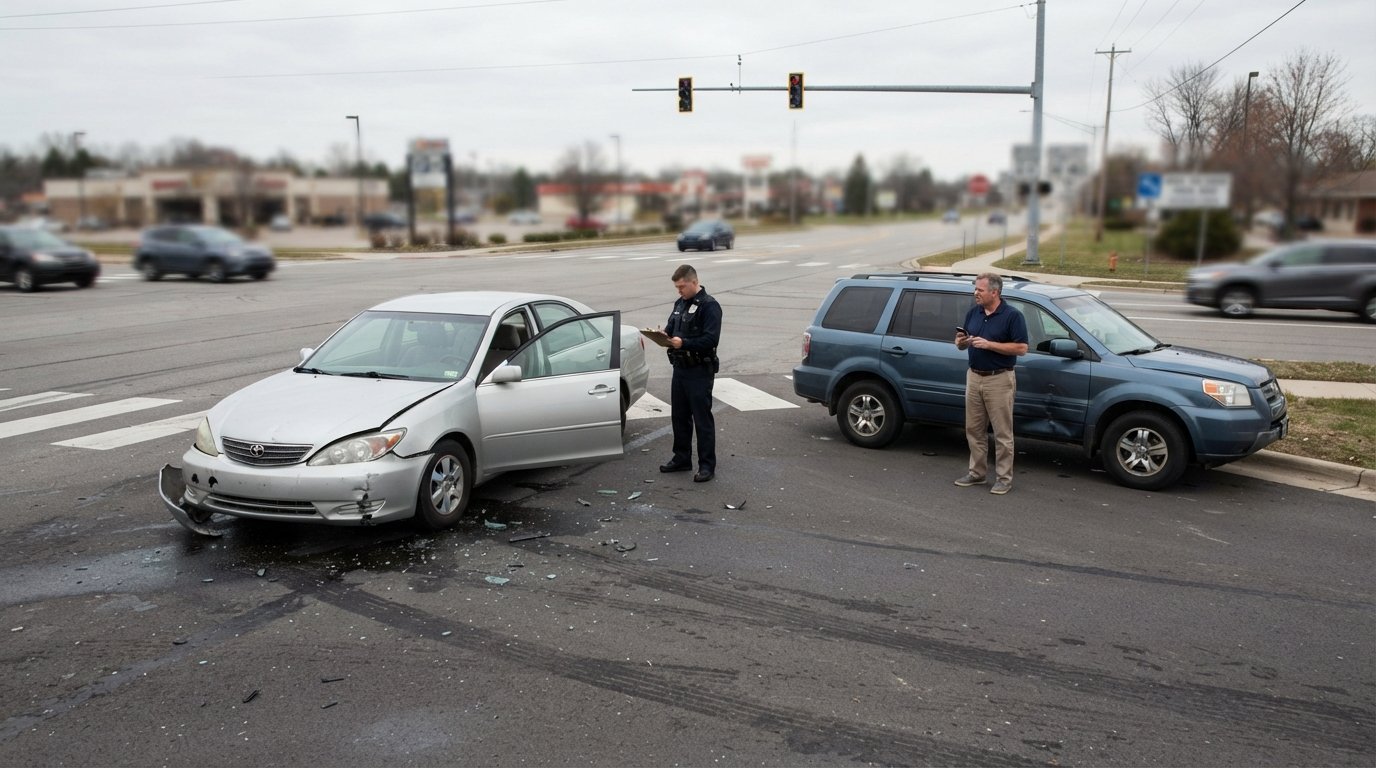
If a driver with no insurance crashes into your car and flees the scene, the repair bill and medical costs land on your shoulders unless you have the right protection in place. That is why so many drivers type the same question into search engines: is uninsured motorist coverage required by state? The short answer is that it depends entirely on where you live. Some states mandate it, some make it optional, and a handful allow you to reject it in writing. Understanding the rules in your state can mean the difference between a covered claim and thousands of dollars in out-of-pocket expenses.
Uninsured motorist coverage, often abbreviated as UM, typically pays for your injuries and damages when the at-fault driver has no liability insurance or cannot be identified, such as in a hit-and-run. A related coverage called underinsured motorist coverage, or UIM, steps in when the at-fault driver has some insurance but not enough to cover your losses. Together, these two coverages form a financial safety net that many drivers overlook until it is too late. If you want a deeper look at how the second half of that pair works, our guide on underinsured motorist coverage explained clearly breaks down the mechanics in plain language.
How State Laws Treat Uninsured Motorist Coverage
Auto insurance regulation happens at the state level, not the federal level, which is why the answer to whether uninsured motorist coverage is required changes every time you cross a state line. Roughly twenty states and the District of Columbia require drivers to carry uninsured motorist coverage as part of a minimum liability policy. Another group of states requires insurers to offer the coverage, but the driver can decline it in writing. The remaining states treat UM as a purely optional add-on that you must specifically request.
This patchwork system creates real confusion for drivers who move, buy a car in another state, or spend part of the year in a different region. A policy that was perfectly compliant in one state may leave you exposed after a move. That is why it helps to sort states into clear categories before you shop for a new policy or renew an existing one.
- Mandatory states: UM coverage is required at minimum limits, and insurers must include it unless state law allows a narrow exception. Examples include New York, New Jersey, Maryland, and several others.
- Required-but-waivable states: Insurers must offer UM coverage, but you can sign a waiver to remove it. Examples include California, Illinois, and Washington.
- Optional states: UM coverage is not required and not automatically offered in the same way. You usually must ask for it. Examples include Florida and several southern and midwestern states.
The distinctions matter because a waiver is a legal document. If you sign one to lower your premium and then get hit by an uninsured driver, you have no UM coverage to fall back on, no matter how unfair the situation feels. Before signing any waiver, it is worth confirming exactly what you are giving up and how much you would actually save.
Why Uninsured Motorist Coverage Matters More Than Ever
The number of uninsured drivers on American roads has remained stubbornly high for years, and in some states it hovers around one in five drivers. When you consider how many vehicles share the road with you on a daily commute, the odds of encountering an uninsured driver are not as remote as most people assume. A single collision with an uninsured motorist can produce medical bills, lost wages, and vehicle repair costs that easily exceed the minimum liability limits carried by the at-fault driver, if that driver has any coverage at all.
UM coverage also protects you in hit-and-run situations where the responsible driver is never identified. Without it, your only option may be to file a claim under your own collision coverage, which typically comes with a deductible and may not address injuries at all. UM coverage fills that gap by treating the uninsured or unknown driver as if they had liability insurance, up to the limits you selected.
There is also a practical pricing angle. UM coverage is usually one of the least expensive parts of an auto insurance policy. Adding it often costs only a few dollars per month, while the potential payout can reach tens or hundreds of thousands of dollars depending on your limits. For drivers who are comparing quotes, it is worth asking how much UM coverage costs before deciding to waive it. If you want a fast way to see how different carriers price this coverage, you can compare free auto insurance quotes online and review UM pricing side by side.
State-by-State Patterns You Should Know
While every state writes its own rules, clear regional patterns emerge when you look at how uninsured motorist coverage is regulated. Northeastern states tend to have the strictest requirements, with UM coverage mandatory at minimum limits and waivers either unavailable or heavily restricted. Mid-Atlantic and some western states commonly require insurers to offer UM but allow a signed waiver. Southern and some plains states often treat UM as fully optional.
Specific states illustrate the range. New York requires uninsured motorist coverage as part of its minimum auto liability package, and the coverage applies to bodily injury claims. California requires insurers to offer UM and UIM coverage, but drivers can reject it in writing. Florida does not require UM coverage and allows drivers to decline it, even though the state has a high rate of uninsured drivers. Texas requires insurers to offer UM and UIM, but drivers may reject both in writing. These differences mean that a driver moving from New York to Florida could lose UM protection without realizing it if the new policy is written to state minimums.
Some states also impose stacking rules that affect how much coverage you actually have. Stacking allows you to add UM limits across multiple vehicles on the same policy, which can substantially increase the total available payout. Other states prohibit stacking or allow insurers to limit it. If you own more than one vehicle, this detail can matter a great deal after a serious accident.
UM Coverage Limits and How They Interact With Other Coverage
Uninsured motorist coverage comes with limits, usually expressed as a split limit such as 25/50 or a combined single limit. The first number typically represents the maximum payout for one person's bodily injury, and the second represents the maximum for all injuries in a single accident. These limits are often tied to the state's minimum liability requirements, but you can usually purchase higher UM limits for an additional premium.
UM coverage also interacts with other parts of your policy in ways that are not always obvious. If you have health insurance, your health plan may pay medical bills first and then seek reimbursement from a UM settlement, a process known as subrogation. If you have collision coverage, it may cover vehicle damage regardless of who was at fault, but you will typically pay a deductible. UM coverage may or may not cover property damage depending on your state and policy, since some states separate uninsured motorist bodily injury from uninsured motorist property damage.
The practical takeaway is that UM coverage is not a substitute for health insurance or collision coverage, but it fills a specific and important gap. Drivers who carry only the state minimum liability coverage and no UM protection are essentially betting that every driver who hits them will have adequate insurance. That is a bet many drivers lose every year.
How to Decide Whether to Carry UM Coverage
If you live in a state where uninsured motorist coverage is required, the decision is largely made for you: carry it at least at the minimum limits, and consider higher limits if your budget allows. If you live in a state where UM is optional or waivable, the decision requires more thought. Several factors can help you decide whether the coverage is worth the premium.
- Check your state's uninsured driver rate. If a significant share of drivers in your state lack insurance, UM coverage becomes more valuable.
- Review your health insurance. If your health plan has high deductibles or limited coverage, UM coverage can fill a serious gap after an accident.
- Consider your commute and driving environment. Heavy traffic and urban driving increase the odds of encountering an uninsured driver.
- Compare the cost of UM coverage against the potential payout. In most cases, the premium is small relative to the protection it provides.
- Ask about stacking if you insure multiple vehicles. Stacking can increase your total available coverage without buying a separate policy.
After working through those factors, many drivers conclude that UM coverage is worth keeping even when it is optional. The cost is usually modest, and the downside of going without it can be severe. That said, the decision is personal, and it should be based on your budget, your risk tolerance, and the specific rules in your state.
Common Mistakes Drivers Make With UM Coverage
One of the most common mistakes is assuming that liability coverage protects you against uninsured drivers. It does not. Liability coverage pays for damage and injuries you cause to others. It does nothing for you when the other driver is at fault and has no insurance. Drivers who carry only liability coverage and no UM coverage are exposed to exactly the scenario UM was designed to address.
Another frequent error is signing a UM waiver without understanding the consequences. Waivers are often presented as a way to lower premiums, and they do reduce costs, but they also remove a significant layer of protection. If you sign a waiver and later want UM coverage, you can usually add it back, but you may need to wait until your next policy term or pay a mid-term adjustment fee.
A third mistake is choosing UM limits that are too low. State minimum limits are just that, minimums. They may not be enough to cover serious injuries, lost income, or long-term rehabilitation. If you can afford higher UM limits, they are often worth the extra premium. Finally, some drivers forget to review UM coverage after major life changes such as moving to a new state, adding a teenage driver, or buying a second vehicle. Each of those events can change how much coverage you need and how much it costs.
How UM Coverage Fits Into a Broader Insurance Strategy
Uninsured motorist coverage works best when it is part of a coordinated insurance plan rather than an isolated add-on. Drivers who bundle auto insurance with renters or homeowners coverage often find that they can afford higher UM limits because the bundle discount lowers their overall premium. That trade-off, spending the savings on stronger coverage rather than simply pocketing it, can materially improve your financial protection after an accident.
It also helps to revisit your UM coverage whenever you shop for a new policy. Because pricing for UM coverage varies widely between carriers, a policy that looks inexpensive at first glance may actually cost more once you add the UM limits you want. Comparing quotes from multiple carriers side by side is the most reliable way to see how each one prices UM coverage and how much you would pay to raise your limits.
Finally, remember that UM coverage is not a replacement for emergency savings or health insurance. It is one layer in a broader financial safety net. The drivers who fare best after an accident with an uninsured motorist are usually the ones who combined adequate UM limits with health coverage, collision coverage, and a small emergency fund.
Whether uninsured motorist coverage is required by state comes down to where you live and what you signed. Mandatory states leave you little choice, waivable states let you opt out in writing, and optional states require you to ask. Because the rules vary so much, the safest approach is to confirm your state's requirements, review your current policy, and decide deliberately whether to carry UM coverage or waive it. A few minutes spent checking your declarations page today can spare you a financial shock after an accident tomorrow.